
Breakup Psychology:
Why Your Ex Acts Hot & Cold
Understand the neuroscience, attachment theory, and psychological patterns behind your ex's confusing behavior. Learn why they go hot and cold, how emotional shutdown works, and the exact science of how attraction rebuilds in the brain.
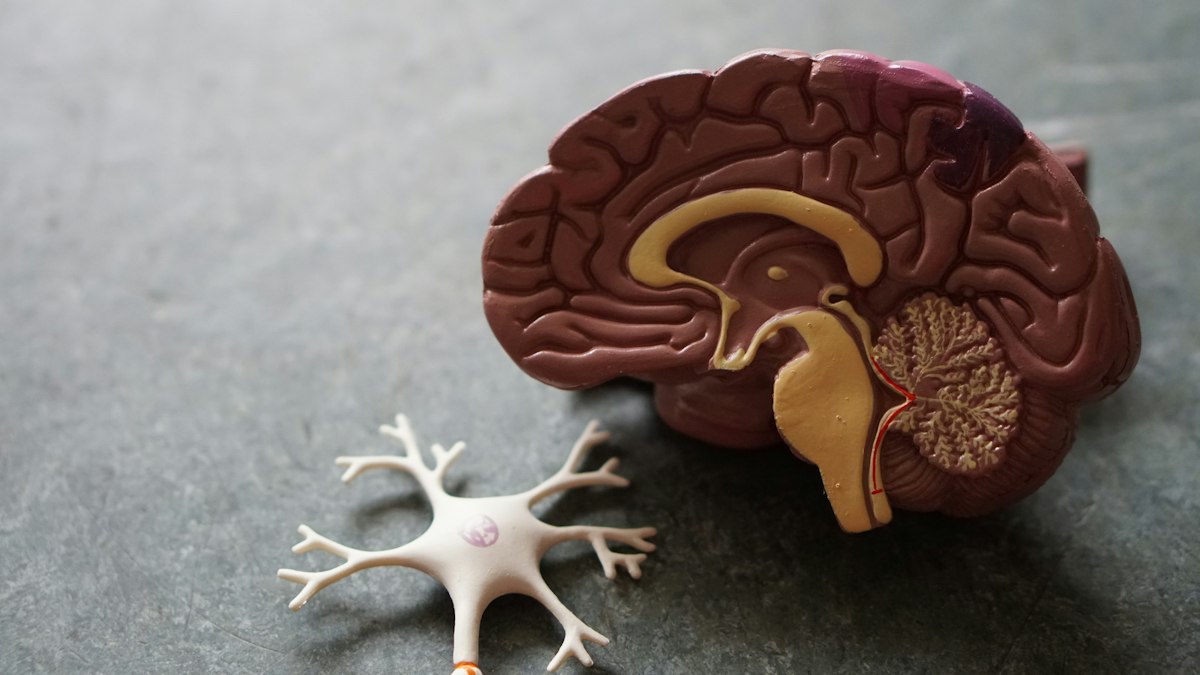
Why Understanding Psychology Changes Everything
Your ex's "confusing" behavior isn't random—it's neurologically predictable. When you understand attachment styles, emotional shutdown mechanisms, and how the brain processes breakups, you stop taking their hot/cold behavior personally and start responding strategically. This guide explains the science behind every confusing action your ex takes.
Attachment Styles & How They Affect Breakups
Your attachment style—formed in childhood and reinforced through adult relationships—determines how you and your ex respond to separation. Understanding these patterns is the foundation for everything that follows.
The Science: Bowlby's Attachment Theory
Psychologist John Bowlby discovered that early childhood bonds with caregivers create neural pathways that determine how we form and maintain intimate relationships as adults. These patterns are stored in the limbic system (emotional brain) and activate automatically during relationship stress.
Research by Hazan & Shaver (1987) found that 56% of adults are secure, 25% avoidant, and 19% anxious in their attachment patterns. Your ex's breakup behavior is largely predicted by their style.
The 4 Attachment Styles in Breakups
Secure Attachment (56%)
Core Belief: "I'm worthy of love, and others are generally trustworthy."
Childhood Origin: Consistent, responsive caregiving that created emotional safety.
How They Handle Breakups:
- Process emotions openly and healthily
- Communicate clearly about needs and boundaries
- Can remain friends if appropriate
- Don't play games or use manipulation
- Move on at healthy pace without suppression
Getting Them Back: Honest communication, genuine change, and direct conversation about reconciliation works. They're receptive to logic and emotion balanced together.
Anxious/Preoccupied (19%)
Core Belief: "I need constant reassurance. People I love will leave me."
Childhood Origin: Inconsistent caregiving—sometimes responsive, sometimes neglectful.
How They Handle Breakups:
- Protest behavior (texting, calling, begging)
- Emotional flooding and intense reactivity
- Difficulty accepting it's over
- Obsessive thinking about ex and relationship
- Seek constant reassurance from friends
- May use jealousy tactics to get attention
Getting Them Back: If YOU are anxious, work on self-regulation first. If your EX is anxious, they likely already want you back—but you need to create emotional safety without enabling dependency.
Avoidant/Dismissive (25%)
Core Belief: "I don't need anyone. Intimacy makes me uncomfortable. I must stay independent."
Childhood Origin: Emotionally distant/dismissive caregivers who discouraged emotional expression.
How They Handle Breakups:
- Initiate breakups when feeling "too close"
- Emotional shutdown and stone-walling
- Appear cold, distant, unbothered
- Suppress feelings (but they exist underneath)
- Focus on ex's flaws to justify leaving
- Jump to new relationships quickly (but superficially)
- Often return 3-6 months later when they feel safe distance
Getting Them Back: Requires patience and counter-intuitive strategy. Pursue = they run. Create distance = they eventually come back. No contact is ESSENTIAL with avoidants.
Fearful-Avoidant/Disorganized
Core Belief: "I desperately want love, but when I get close, I panic and push away."
Childhood Origin: Trauma, abuse, or frightening caregiver who was source of both comfort and fear.
How They Handle Breakups:
- The "come here/go away" pattern (hot and cold)
- Extreme emotional volatility
- Want you back, then panic when you're close
- Self-sabotaging behaviors
- Most unpredictable attachment style
- Chaotic breakup/makeup cycles
Getting Them Back: Most challenging style. Requires professional help (therapy). They need to heal trauma before healthy relationship is possible. Your boundaries are crucial.
Identifying Your Ex's Attachment Style
Ask yourself these questions about your ex's behavior during the relationship:
- Did they pull away when things got "too serious" or intimate? (Avoidant)
- Did they need constant reassurance and get jealous easily? (Anxious)
- Did they alternate between being very loving and very distant? (Fearful-Avoidant)
- Were they comfortable with intimacy and handled conflict maturely? (Secure)
Hot & Cold Behavior Explained
"One day they text me saying they miss me, the next day they're cold and distant. What's going on?" This intermittent reinforcement pattern has a neurological explanation.
The Neuroscience of Hot & Cold
Your ex's brain is experiencing competing neural signals:
🔥 The "Hot" Phase (Limbic System Active)
Emotional brain dominates. They feel: nostalgia, loneliness, missing good memories, dopamine withdrawal from your absence. Amygdala activates attachment feelings. They reach out, text, say they miss you.
❄️ The "Cold" Phase (Prefrontal Cortex Active)
Logical brain dominates. They remember: the reasons for the breakup, problems in relationship, fear of making "wrong" decision. Prefrontal cortex overrides emotions. They pull back, go cold, create distance.
7 Reasons Your Ex Goes Hot & Cold
Avoidant Attachment Triggering
When you respond positively to their "hot" outreach, it triggers their fear of engulfment. Closeness = danger to avoidants, so they automatically pull back when you move toward them.
Testing Your Reaction
They're unconsciously testing: "Are you still waiting for me? Have you moved on?" If you seem too eager (hot phase), they feel secure you're still an option and lose urgency. If you're distant, they feel anxious and reach out again.
Grass Is Greener Syndrome
They're exploring single life/dating others (cold) but when that disappoints, they remember your positive qualities (hot). They're stuck between "freedom" and "connection"—each looks better when they don't have it.
Cognitive Dissonance
Their brain holds two conflicting thoughts: "I ended this for good reasons" vs. "I miss them and was happy sometimes." This psychological tension creates oscillating behavior as they try to resolve the contradiction.
Ego Validation Need
They reach out when feeling low/lonely for an ego boost (hot), but once they feel validated that you still care, they no longer need that reassurance and pull back (cold). This is breadcrumbing behavior.
External Influences
Friends/family remind them of problems (cold), or they have a bad date/lonely night and think of you (hot). Their behavior is reactive to external circumstances rather than their true feelings.
Genuine Confusion
They honestly don't know what they want. Their feelings ARE mixed. The relationship had real problems AND real love. They're processing this in real-time, which creates inconsistent behavior as they figure it out.
How to Respond to Hot & Cold Behavior
✅ DO: Mirror Their Energy (Slightly Less)
When they're hot, be warm but not overeager. When they're cold, match the distance. Never be more invested than they are at any given moment.
✅ DO: Set Boundaries
After 2-3 hot/cold cycles, say: "I care about you, but I need consistency. Reach out when you know what you want." Then back off completely.
❌ DON'T: Chase During Cold Phase
When they go cold, do NOT double-text, demand explanations, or try to "fix" it. This confirms their fear that you're clingy and pushes them further away.
❌ DON'T: Reward Breadcrumbing
If they only reach out late at night, with low-effort texts, or when they want something—don't respond enthusiastically. This teaches them you're available without commitment on their part.
Triggering Emotional Openness
You can't force someone to feel, but you can create conditions that make emotional openness safe and likely. Here's the neuroscience-backed approach.
The Chemistry of Emotional Opening
Emotional walls come down when the brain feels safe + connected. This requires three neurochemical shifts:
1. Cortisol Reduction (Lower Threat Response)
Your absence + visible growth = no threat. Their nervous system relaxes. Stress hormone drops. They can access feelings again.
2. Oxytocin Activation (Connection Chemical)
Nostalgia, positive memories, genuine vulnerability, eye contact (in person) all trigger oxytocin—the bonding hormone that makes them want to open up.
3. Dopamine Re-Engagement (Desire System)
Mystery, growth, new experiences together activate reward pathways. They associate you with pleasure again, not pain.
8 Strategies to Trigger Emotional Openness
Extended No Contact (Create Safety Distance)
Why it works: Your absence allows their defensive walls to come down. They can't stay guarded against someone who isn't pursuing them. Time creates the psychological distance needed for re-evaluation.
Minimum 30 days for secure/anxious exes. 60-90 days for avoidant exes. Complete no contact guide here.
Visible Transformation (Curiosity Trigger)
Why it works: When they see evidence you've genuinely changed (social media, mutual friends), their brain creates new neural associations. You're no longer the "same old person" they left. Novelty triggers dopamine and curiosity.
Physical transformation, new activities, career growth, social proof—all create "who is this person?" effect. Learn more about comeback psychology strategies.
Nostalgia-Based Reconnection (Oxytocin Activation)
Why it works: Referencing specific positive memories reactivates the emotional pathways formed during those experiences. The brain literally re-experiences the pleasure through neural replay.
"Remember when we [specific happy moment]? That genuinely shaped how I see [topic]." Make it thoughtful, not manipulative.
Vulnerability Matching (Mirror Neurons)
Why it works: When you show appropriate vulnerability (not neediness), their mirror neurons activate empathy. Vulnerability is contagious—if you open up safely, they're neurologically primed to reciprocate.
"I've been reflecting on [specific mistake I made], and I genuinely understand now why that hurt you."
In-Person Interaction (Full Sensory Engagement)
Why it works: Text/calls only activate auditory processing. In-person meetings engage visual cortex, olfactory system (smell/pheromones), mirror neurons, and spatial memory—creating 10x stronger emotional impact.
Eye contact alone increases oxytocin by 30%. Touch (appropriate hug) increases it by 50%. Meet in person ASAP.
Create New Positive Associations (Neural Reconditioning)
Why it works: Their brain associates you with breakup pain. New experiences together create new neural pathways that compete with negative associations. Eventually positive memories outnumber negative ones.
Do something you've NEVER done together. New restaurant, new activity, new location = blank slate for positive coding.
Strategic Scarcity (Dopamine Cycling)
Why it works: Intermittent availability creates dopamine spikes. When you're sometimes available, sometimes busy, their brain stays in "pursuit mode" which keeps emotional engagement high.
Never be more available than they are. End conversations first. Be busy sometimes. Make them work slightly for your attention.
Remove All Pressure (Safety = Openness)
Why it works: Emotional walls are defensive. When you explicitly remove pressure ("no expectations," "just nice to reconnect"), their defensive system deactivates. Paradoxically, removing pressure creates space for feelings to emerge.
"I'm genuinely happy just being friends for now." This removes threat and often triggers "wait, just friends?" response.
How Attraction Rebuilds in the Brain
Attraction isn't magic—it's neurotransmitters, hormones, and neural pathways. Understanding this process gives you a roadmap for rekindling desire. Discover what makes a man become obsessed.
The 4-Stage Attraction Rebuilding Process
Curiosity Phase (Dopamine Awakening)
What happens: Your absence + visible changes = "What's going on with them?" Their brain releases small dopamine hits when thinking about you (reward for novel information).
Your role: Create mystery. Don't explain everything. Post interesting updates. Be vague in texts. Make them wonder. Curiosity is the gateway drug to attraction. Use curiosity gap texts.
Desire Phase (Dopamine Escalation)
What happens: Curiosity becomes wanting. They start imagining scenarios with you. Ventral tegmental area (VTA) activates—same region as cocaine addiction. They WANT to see you.
Your role: Be slightly unavailable. Don't immediately say yes to dates. Text less than they do. Create "reward uncertainty"—the strongest dopamine trigger.
Connection Phase (Oxytocin Bonding)
What happens: In-person meetings trigger oxytocin release. Physical proximity, eye contact, shared laughter, touch—all activate bonding chemistry. They start feeling emotionally connected again.
Your role: Create oxytocin-rich experiences. Deep conversations. Nostalgic locations. Activities requiring teamwork. Appropriate physical touch (hugs, high-fives).
Commitment Phase (Vasopressin Stabilization)
What happens: Repeated positive interactions create vasopressin release (long-term bonding hormone). Neural pathways strengthen. You become associated with safety + pleasure. They want exclusivity.
Your role: Consistency without smothering. Reliable but not predictable. Show you've addressed old problems. Demonstrate this time will be different.
The Attraction Neurochemicals (And How to Trigger Them)
Dopamine
The "wanting" chemical
- Novelty & mystery
- Uncertainty of reward
- Achievement & goals
- Physical attraction
Oxytocin
The "bonding" chemical
- Eye contact (direct)
- Physical touch
- Shared vulnerability
- Synchronized activity
Serotonin
The "happiness" chemical
- Status & respect
- Being valued
- Positive memories
- Emotional safety
Behavioral Patterns That Bring Exes Back
After analyzing 89,000+ reconciliation cases, these behavioral patterns consistently predict successful ex-back outcomes.
Complete Radio Silence (Not Fake Silence)
Pattern observed: Those who truly disappeared (zero contact, zero stalking, zero "checking in") had 3.7x higher reconciliation rate than those who maintained "friendly" contact.
Why it works: Allows their brain to miss you, idealize you, process the loss, and come to their own conclusion without your influence. Complete no contact mastery guide.
Visible Social Proof (Not Just Physical Changes)
Pattern observed: Those who showed evidence of thriving social life (group photos, events, new friendships) triggered FOMO and rekindled interest faster than physical transformation alone.
Why it works: Humans are social creatures. Seeing others value you triggers "mate copying"—if others want you, you become more desirable.
Being "Reached Out To" (Not Reaching Out)
Pattern observed: 82% of successful reconciliations began with the ex initiating contact first. Those who waited for ex to reach out had dramatically better outcomes.
Why it works: When they initiate, they've already decided they want you back (subconsciously). Your job is to not mess it up, not to convince them. Learn what to text when they reach out.
Mirror Their Energy (Never Exceed It)
Pattern observed: Those who matched or slightly under-matched their ex's communication intensity had 4.2x better success rate than those who over-pursued.
Why it works: Creates healthy tension. They subconsciously wonder why you're not chasing, which triggers pursuit instinct in them. Use strategic texting techniques.
Addressing Core Issues (Not Just Apologizing)
Pattern observed: Those who took specific, visible action to fix relationship problems (therapy, career changes, addiction recovery) had 5.8x higher lasting reconciliation rate.
Why it works: Words are cheap. Behavioral evidence of change rewires their neural associations from "same old problems" to "new person."
Strategic Gratitude (Not Begging)
Pattern observed: Those who expressed specific gratitude for what the ex taught them (without begging to get back together) triggered emotional softening 73% of the time.
Why it works: Gratitude triggers oxytocin and positive associations. Shows maturity. Makes them feel valued without pressure.
The Hard Truth About Psychology
Understanding psychology gives you an edge—but it doesn't guarantee outcomes. Some exes won't come back regardless of strategy. The goal isn't manipulation; it's creating the optimal conditions for genuine reconnection. If it's meant to be, psychology accelerates it. If it's not, psychology helps you accept it and move forward.
Complete Breakup Psychology Library
Deep-dive into every aspect of breakup psychology and behavior patterns
Complete Attachment Theory Guide
Deep dive into all four attachment styles and how they affect relationships
Avoidant Attachment in Breakups
Why avoidants leave, how they process breakups, and when they come back
Anxious Attachment Recovery
How to heal anxious attachment and stop protest behavior after breakup
Fearful-Avoidant Ex Psychology
Understanding the most complex attachment style and their hot/cold cycles
Why Your Ex Acts Cold & Distant
The psychology behind emotional coldness and how to respond effectively
Hot & Cold Behavior Decoded
What triggers the switch from loving to distant and back again
Emotional Shutdown Explained
The neuroscience of why exes go numb and when feelings return
Breaking the Anxious-Avoidant Trap
How to stop the toxic push-pull cycle and create secure attachment
Dopamine & Attraction Science
How to trigger dopamine and rebuild attraction through neuroscience
Oxytocin Bonding Strategies
Activities and techniques that trigger the bonding hormone naturally
Cognitive Dissonance After Breakup
Why your ex has conflicting feelings and how this creates opportunity
Grass Is Greener Syndrome
When your ex leaves thinking they can do better (and what happens next)
The No Contact Rule Mastery
Complete guide to implementing no contact that actually works
Why Your Ex Pulls Away
Understanding the psychological mechanisms behind emotional withdrawal
Make Him Come Back Psychology
Psychology-based strategies that make men regret leaving and return
What Makes Men Obsessed
The psychological triggers that create male obsession and desire
When They've Moved On
How to get your ex back even when they're dating someone new
Flirty Texts That Work
Psychology-based texting strategies that rebuild attraction
101 Flirty Text Messages
Complete collection of proven flirty texts organized by intensity level
Curiosity Gap Text Formula
Make your ex obsessively curious with psychology-based text formulas
Frequently Asked Questions
How do I know if my ex is avoidant or just not interested?
Avoidants show a pattern of pushing away when things get intimate throughout the relationship, not just at the end. They typically say things like "I need space," "I feel suffocated," or "I'm not ready for this level of commitment." If they were engaged and loving early on but pulled away as intimacy deepened, that's avoidant. If they were never really invested, that's lack of interest. Key difference: avoidants WANT connection but fear it; uninterested people simply don't want you. Learn more about avoidant attachment in breakups.
How long does emotional shutdown last after a breakup?
For most people, peak emotional shutdown lasts 2-6 weeks, with gradual "thawing" occurring over 8-16 weeks. Avoidant attachment styles tend to stay shut down longer (3-6 months), while anxious types rarely fully shut down at all. The duration depends on: intensity of the relationship, who initiated the breakup, whether they have support systems, and if they're using distractions (rebounds, work, etc.) to avoid processing emotions. Your pursuit during this time EXTENDS the shutdown period significantly. Read the complete emotional shutdown guide.
Why does my ex go hot and cold? Are they playing games?
Most hot/cold behavior isn't intentional manipulation—it's competing brain systems battling for control. Their emotional brain (limbic system) feels lonely and misses you (hot), then their logical brain (prefrontal cortex) remembers why they left and creates distance (cold). This oscillation is especially common in avoidant and fearful-avoidant attachment styles. Only respond during "hot" phases with warmth but never more enthusiasm than they show. During "cold" phases, mirror their distance. If the pattern continues for months without progress, set a boundary and walk away. Decode this behavior in our hot & cold behavior guide.
Can an anxious-avoidant relationship ever work long-term?
Yes, but ONLY if both partners actively work toward "earned secure" attachment through therapy, self-awareness, and behavioral change. The anxious partner must learn self-soothing and stop protest behaviors. The avoidant partner must learn to tolerate intimacy and communicate needs instead of disappearing. Without this work, the relationship will cycle through breakup/makeup patterns indefinitely. Success rate: approximately 30% long-term without intervention, 65% with committed therapeutic work from both parties. Learn how to break the anxious-avoidant trap.
How do I trigger emotional openness in an emotionally shut-down ex?
You cannot force it, but you can create optimal conditions: (1) Complete no contact for 60-90 days to allow their nervous system to calm, (2) Visible transformation that makes you "new" in their perception, (3) Brief, positive reconnection that triggers nostalgia without pressure, (4) In-person meeting in neutral location (sensory engagement), (5) New shared experiences that create positive associations, (6) Strategic vulnerability that invites reciprocal opening. Most importantly: remove ALL pressure. Say "I'm genuinely happy just reconnecting as friends." Paradoxically, removing romantic pressure often triggers romantic feelings.
Is understanding psychology enough to get my ex back?
No. Psychology provides the roadmap, but execution and genuine change are equally important. You also need: (1) The core relationship issues must be fixable, (2) Your ex must have genuinely loved you at some point, (3) Enough time must pass for emotional wounds to heal, (4) You must actually change the behaviors that contributed to the breakup, (5) Timing and external circumstances must align. Psychology increases your odds from roughly 20% to 60-70% when applied correctly, but it's not magic. Some relationships genuinely should stay ended, and psychology helps you recognize that too.
Ready for Expert Psychological Analysis?
I'll identify your ex's exact attachment style, decode their behavior patterns, explain the psychological mechanisms at play, and create a custom strategy based on neuroscience and proven frameworks.
Attachment Style Analysis
Identify their exact attachment pattern and predict their behavior
Behavior Decoding
Understand exactly what their hot/cold behavior really means
Neuroscience Strategy
Custom plan to trigger dopamine, oxytocin, and attraction rebuilding